
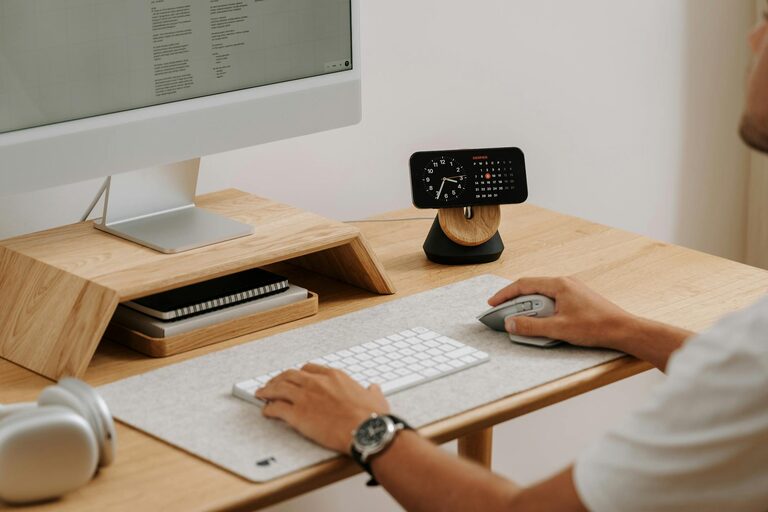
Creating a relaxing home workspace is essential for boosting productivity and maintaining a healthy work-life balance. When your workspace feels calm and inviting, you can focus better, reduce stress, and feel motivated throughout the day. Whether you have a dedicated room or a small corner in your home, there are plenty of ways to make your work environment more enjoyable and effective.
In this post, we’ll explore practical tips to help you design a home workspace that supports relaxation and productivity.
Why a Relaxing Workspace Matters
A cluttered or uncomfortable workspace can lead to distractions, fatigue, and low motivation. On the other hand, a clean, organized, and soothing environment helps your brain stay focused and refreshed. Comfort and calmness work hand in hand to create a space where productivity flows naturally.
Choose the Right Location
Find a Quiet Spot
If possible, select a space away from household noise and distractions. This might be a spare room, a nook, or even a part of your living room that feels secluded. The quieter the area, the easier it will be to concentrate.
Consider Natural Light
Natural light is a great mood booster. Position your desk near a window to take advantage of sunlight during the day. If natural light isn’t an option, invest in good quality lighting that mimics daylight to reduce eye strain.
Invest in Comfortable Furniture
Ergonomic Chair and Desk
A comfortable chair that supports your back and an adjustable desk can make a huge difference. Poor posture leads to discomfort and fatigue, which can cut into your productivity. Look for furniture designed with ergonomics in mind.
Keep Essentials Within Reach
Organize your desk so that frequently used items like pens, notebooks, or your computer mouse are easy to access. This avoids unnecessary movement and helps maintain your workflow.
Declutter and Organize
Keep Your Desk Tidy
A cluttered desk can clutter your mind. Make a habit of clearing your workspace at the end of each day, leaving it fresh for tomorrow.
Use Storage Solutions
Drawer organizers, shelves, and desk organizers help you keep supplies in order. Label bins or containers to quickly find what you need.
Personalize with Calming Touches
Add Greenery
Plants bring life and a touch of nature into your workspace. Choose low-maintenance varieties like succulents or snake plants. Studies show plants can reduce stress and improve air quality.
Choose Soothing Colors
Cool tones like blues and greens create a calming atmosphere. Use these colors in your wall paint, desk accessories, or artwork to enhance relaxation.
Display Inspirational Items
Pictures, quotes, or objects that motivate you can boost positivity and focus. However, avoid overcrowding your space with too many personal items.
Manage Technology Wisely
Minimize Distractions
Turn off non-essential notifications or use apps to block distracting websites during work hours. This keeps your attention on tasks without interruptions.
Keep Cables Neat
Cable clutter can feel chaotic. Use clips, ties, or sleeves to organize cords and keep your desk looking clean.
Incorporate Relaxation Breaks
Create a Break Spot
If space allows, set up a small comfortable area nearby where you can take short breaks. This could be a cozy chair with a soft throw or a meditation cushion.
Use Soothing Sounds
Ambient music or nature sounds can create a relaxing background. Consider apps or playlists designed to improve focus and calm.
Maintain a Routine
Set Clear Work Hours
Keep regular start and finish times to separate work from personal life. This helps your mind switch between work mode and relaxation.
Take Regular Breaks
Use techniques like the Pomodoro Method—working for 25 minutes then taking a 5-minute break—to stay refreshed and avoid burnout.
Keep Air Fresh and Temperature Comfortable
Ventilate Your Workspace
Open windows or use an air purifier to maintain fresh air. Poor air quality can lead to tiredness and reduced concentration.
Adjust Temperature
Ensure the room temperature is comfortable—not too hot or cold. Being physically comfortable supports mental clarity.
—
By thoughtfully designing your home workspace with relaxation and productivity in mind, you can create an environment that encourages focus, creativity, and well-being. Start with small changes and observe how they impact your daily work experience. A peaceful, inviting workspace is a powerful tool for success at home.