
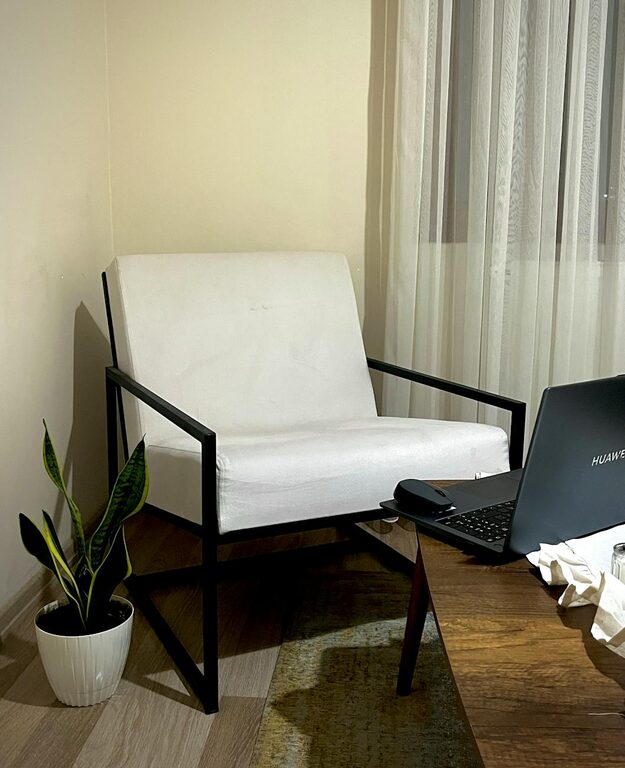
Working from home has become more common than ever, making it essential to create a space that feels both welcoming and functional. A cozy and inviting home office can encourage focus, reduce stress, and even inspire creativity. Whether you have a dedicated room or just a small corner, these tips will help you design a workspace that feels just right.
1. Choose the Right Location
Start by picking a spot in your home with minimal distractions and good natural light. A quiet corner near a window is ideal because sunlight boosts mood and energy. If you don’t have a window nearby, ensure your lighting setup mimics natural light to keep your space bright and inviting.
2. Invest in Comfortable Furniture
Comfort is key for long hours of work. Invest in a supportive ergonomic chair to avoid back pain and improve posture. Pair it with a desk at the right height to keep your wrists and elbows comfortable. If space allows, add a small couch or a cozy chair for reading or a change of posture during breaks.
3. Personalize Your Space
Adding personal touches makes your office feel inviting. Decorate with art, photos, or plants that make you smile. Choose colors that promote calmness or energy, depending on your preference—soft blues or greens often create a peaceful vibe, while brighter colors like yellow can inspire creativity.
4. Organize Efficiently
A clutter-free surface helps clear your mind. Use organizers such as trays, shelves, and drawers to keep office supplies neat. Label storage containers for easy access, and maintain a regular decluttering routine to prevent mess from building up. Consider cable management solutions to keep cords tidy and out of sight.
5. Incorporate Soft Textures
Adding soft textures increases coziness. A plush rug, comfortable cushions, or a knitted throw can warm up an otherwise sterile space. These elements add visual interest and comfort, making your home office feel more like a sanctuary than a traditional workspace.
6. Optimize Lighting
Proper lighting reduces eye strain and sets the tone for your day. Combine ambient lighting with focused task lighting. A desk lamp with adjustable brightness helps when working on detailed tasks. Adding string lights or candles (if safe) can create a relaxed atmosphere during breaks or at the end of the day.
7. Create Zones for Different Activities
If space allows, designate areas for various tasks. Have a primary workspace with your computer and essential tools. A secondary spot for brainstorming or reading can foster creativity. This separation helps your brain shift between focused work and relaxed thinking.
8. Add Greenery
Plants not only look beautiful but can also improve air quality and reduce stress. Choose low-maintenance options like succulents, snake plants, or pothos if you’re new to plant care. Place them within your sightline to enjoy their benefits throughout your workday.
9. Maintain Good Air Quality and Temperature
Fresh air and a comfortable temperature help maintain focus and well-being. If possible, open windows regularly to circulate air. Use fans or heaters as needed to keep your workspace comfortable year-round. Consider air-purifying plants or a small air purifier to improve indoor air quality further.
10. Set Boundaries
Design your home office in a way that signals work time to yourself and others. Use room dividers or a dedicated door if you can. This helps mentally separate work from personal life, which is especially important when your office is in a shared living space.
—
Creating a cozy and inviting home office doesn’t require a big budget or a lot of space. Focus on comfort, light, organization, and personal touches to build a workspace that feels good to be in. When your office feels like a welcoming retreat, productivity and happiness often follow naturally. Take the time to design your perfect spot—you’ll thank yourself during every workday.