
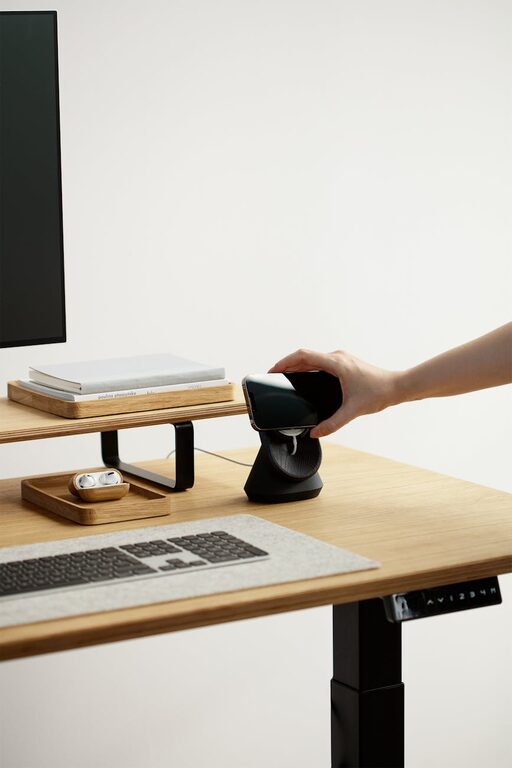
Creating an organized home workspace is key to maintaining focus and boosting productivity. Whether you work remotely full-time or occasionally need a dedicated spot for tasks, the way you arrange your workspace can impact your performance and well-being. Here are some practical tips to help you design an organized and efficient home office.
Choose the Right Location
Finding the ideal place for your workspace is the first step. Consider the following:
– Quiet Environment: Select a space with minimal distractions from household noise.
– Natural Light: Position your desk near a window if possible. Natural light helps reduce eye strain and improves mood.
– Dedicated Area: Use a specific corner or room that is solely for work to help separate professional tasks from personal life.
Declutter Your Desk
A cluttered desk can lead to a cluttered mind. To keep your workspace tidy:
– Limit Essentials: Only keep items you need daily on your desk—computer, notepad, pens.
– Use Desk Organizers: Invest in organizers for stationery and documents to avoid piles.
– Clear Daily: At the end of each day, put away unnecessary items to maintain a clean surface.
Optimize Ergonomics
Comfort contributes to productivity. Make sure your workspace supports good posture and reduces strain:
– Ergonomic Chair: Use a chair with proper back support.
– Desk Height: Your desk should allow your arms to rest comfortably at a 90-degree angle.
– Monitor Position: Place your screen at eye level to avoid neck strain.
Establish Effective Storage Solutions
Organized storage helps you find what you need quickly:
– Shelves and Cabinets: Use these to store books, files, and equipment.
– Labeling: Label boxes and folders for easy identification.
– Digital Files: Organize digital documents in clearly named folders to reduce desktop clutter.
Minimize Distractions
Creating a focused environment can increase output:
– Manage Noise: Use noise-cancelling headphones or soft background music if noise is unavoidable.
– Limit Phone Usage: Place your phone in another room or use apps to mute notifications during work hours.
– Set Boundaries: Communicate with family or housemates about your work schedule.
Personalize Your Space Mindfully
A workspace that reflects your personality can be motivating—but avoid overdecorating:
– Add Plants: Small indoor plants can boost mood and air quality.
– Inspirational Items: Place one or two items like photos or quotes that inspire you.
– Keep It Simple: Avoid too many decorations that can be distracting.
Use Time Management Tools
An organized workspace is more effective when paired with good time habits:
– Calendar: Keep a planner or digital calendar visible.
– Task Lists: Use to-do lists or productivity apps to track tasks.
– Break Reminders: Incorporate short breaks to rest your eyes and stretch.
Maintain Regular Cleaning
A clean workspace promotes health and alertness:
– Weekly Cleaning: Wipe desk surfaces, keyboard, and screen regularly.
– Air Quality: Keep windows open when possible or use an air purifier.
Final Thoughts
A well-organized home workspace doesn’t require major renovations—small, consistent changes can make a big difference. By choosing the right location, reducing clutter, optimizing comfort, and setting clear boundaries, you can create an environment that supports focus, efficiency, and overall work satisfaction. Start with one or two tips and build gradually toward your ideal workspace. The result will be a productive area that feels good to spend time in every day.