
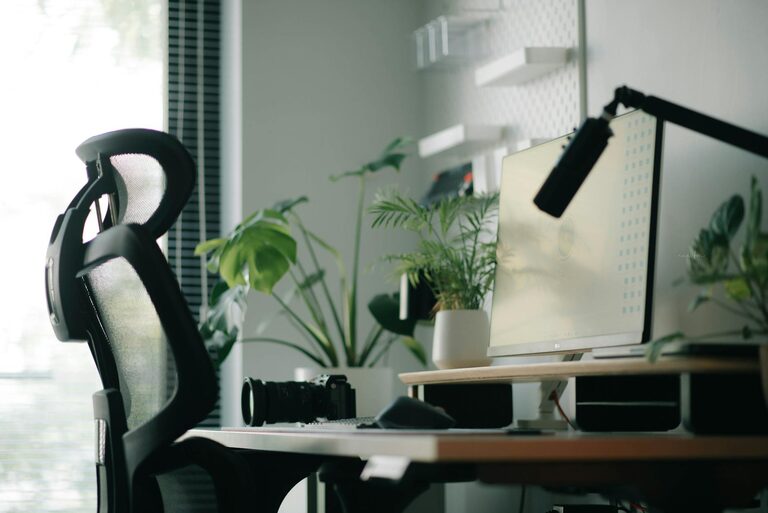
Creating a relaxing home workspace is essential for maintaining productivity and well-being, especially as more people work remotely or spend long hours at their desks. A thoughtfully designed environment can help reduce stress, increase concentration, and make your workday more enjoyable.
In this post, we’ll explore practical tips to transform your home workspace into a calm, efficient area that supports your work and personal health.
Why a Relaxing Workspace Matters
Your workspace influences how you feel and how well you work. A cluttered or uncomfortable environment can cause distractions, fatigue, and even affect your mood. On the other hand, a relaxing workspace creates a positive atmosphere conducive to focus and creativity.
When you invest time and effort into setting up a space that feels good, you’re likely to experience:
– Better concentration and fewer distractions
– Increased motivation and energy
– Reduced stress and anxiety
– Improved posture and comfort
With these benefits in mind, let’s dive into practical ways to make your home workspace more relaxing and productive.
1. Choose the Right Location
Selecting the best spot for your workspace is the foundation of a relaxing area. Aim for a place with:
– Natural light: Position your desk near a window if possible. Natural light helps regulate your body clock and boosts mood.
– Minimal distractions: Pick a quiet corner away from high-traffic areas, noisy appliances, or entertainment zones.
– Adequate space: Ensure there’s enough room to comfortably set up your equipment, stationery, and any personal touches.
If space is limited, consider creative options like a fold-down desk or a dedicated nook.
2. Invest in Comfortable Furniture
Comfort plays a big role in helping you stay relaxed during work hours. Consider these elements:
– Ergonomic chair: A chair with adjustable height, lumbar support, and cushioning helps prevent back pain and improves posture.
– Appropriate desk height: Your desk should allow your forearms to rest parallel to the floor when typing. Adjustable desks or standing desks are good options.
– Footrest: Using a footrest can reduce leg fatigue if your feet don’t reach the floor comfortably.
Comfortable furniture not only reduces strain but also encourages better focus.
3. Declutter and Organize
A clean, organized workspace clears your mind and minimizes distractions.
– Regular tidying: Set aside a few minutes each day to clear unnecessary papers, pens, and gadgets.
– Storage solutions: Use shelves, drawers, or organizers to keep items neat and accessible.
– Minimal décor: Choose a few meaningful items to personalize your space without overwhelming it.
Keeping your workspace clutter-free makes it easier to find what you need and creates a calmer environment.
4. Use Soothing Colors and Lighting
Colors and lighting affect your mood and concentration.
– Calm colors: Soft blues, greens, and neutrals promote relaxation and reduce anxiety. Avoid overly bright or harsh colors that may cause distraction.
– Layered lighting: Combine ambient lighting (like ceiling lights) with task lighting (desk lamps) to reduce eye strain. Choose bulbs that mimic natural daylight for better focus.
– Adjustable lights: Use dimmers or adjustable lamps to control brightness based on the time of day.
Thoughtful use of color and light helps create a soothing atmosphere conducive to long hours of work.
5. Bring Nature Indoors
Incorporating natural elements can boost well-being and creativity.
– Plants: Indoor plants improve air quality and provide a calming visual. Choose low-maintenance plants like succulents, snake plants, or pothos.
– Natural materials: Wooden desks, bamboo accessories, or stone décor can add warmth to your workspace.
– Views of nature: If possible, position your desk to look outside or place nature-themed art nearby.
These elements can help you feel grounded and reduce stress throughout your workday.
6. Minimize Noise and Distractions
Sound distractions disrupt focus and increase stress.
– Noise-cancelling headphones: These can block out household noise or outside sounds when needed.
– Soft background music: Calm instrumental music or nature sounds can improve concentration if silence is unsettling.
– Set boundaries: Communicate your work schedule with family or roommates to reduce interruptions.
Controlling your workspace sounds helps maintain a quiet, relaxing environment.
7. Personalize Thoughtfully
Adding personal touches makes your workspace inviting but avoid overcrowding it.
– Inspirational quotes or photos: Display items that motivate or bring happiness.
– Comfort objects: A cozy throw blanket or cushion can make your chair more inviting.
– Scent: Light a gentle candle or use a diffuser with calming essential oils such as lavender or eucalyptus.
Personalization helps you feel connected to your space while keeping it functional.
8. Take Regular Breaks and Move
Even the most relaxing workspace can’t replace the need for movement.
– Scheduled breaks: Use timers or apps to remind yourself to stretch or step away every hour.
– Stretching or light exercise: Moving around refreshes your body and mind.
– Change scenery: Occasionally working outside or in a different room can renew energy.
Combining a relaxing workspace with healthy habits maximizes productivity and well-being.
—
Final Thoughts
Creating a relaxing home workspace is a worthwhile investment in your productivity and mental health. By carefully choosing your location, furniture, colors, and organization, you can craft an environment that supports focus and calm. Remember to add natural elements, manage distractions, and personalize your area thoughtfully.
With these tips, you’ll be on your way to enjoying a more pleasant, productive work-from-home experience every day.