
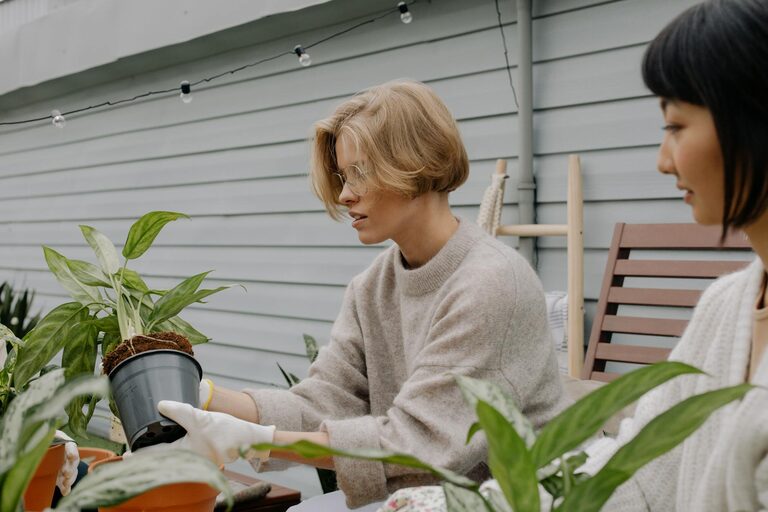
Creating a sustainable home garden is a rewarding way to grow your own fresh produce, support local wildlife, and reduce your environmental footprint. You don’t need a big budget or a lot of space to achieve this. With thoughtful planning and simple techniques, you can cultivate a thriving garden that’s good for you and the planet. Here are practical tips to help you get started.
Why Choose a Sustainable Garden?
A sustainable garden focuses on minimizing harm to the environment while maximizing the benefits. This means using resources wisely, reducing waste, and fostering biodiversity. The rewards include healthier soil, plants that need less water and chemicals, and a natural habitat for pollinators like bees and butterflies.
Planning Your Garden on a Budget
Before buying anything, start with a clear plan.
Assess Your Space and Sunlight
Look at your available area—whether it’s a backyard, balcony, or windowsill. Observe how much sunlight your space receives throughout the day. Most vegetables and flowers need at least 6 hours of sunlight to thrive.
Choose Plants Wisely
Select plants that are native or well-adapted to your climate. Native plants typically require less water and care. Also, consider growing vegetables and herbs you regularly use in your kitchen to save money on groceries.
Affordable Tools and Materials
You don’t need expensive equipment to start.
Use Recycled Containers
Repurpose old containers like buckets, crates, or even boots for pots. Just ensure they have drainage holes.
Buy Seeds Instead of Seedlings
Seeds are usually much cheaper and offer a wider variety. Buying seeds in bulk or swapping with friends can bring costs down further.
Create Your Own Compost
Composting kitchen scraps and yard waste reduces organic waste and provides nutrient-rich soil for free.
Soil Health and Water Conservation
Good soil and water management are key to a thriving garden.
Improve Soil Naturally
Add compost or aged manure to enrich the soil. Avoid chemical fertilizers that can harm beneficial soil organisms.
Mulch to Retain Moisture
Applying organic mulch like straw, leaves, or grass clippings helps keep soil moist and suppress weeds.
Collect Rainwater
Use rain barrels or containers to collect and store rainwater for watering your plants. This reduces reliance on treated tap water.
Planting and Maintenance Tips
Proper care ensures a healthy, sustainable garden.
Companion Planting
Some plants grow better together. For example, tomatoes and basil help each other by repelling pests and improving flavor.
Rotate Crops
Change the location of plants each season to avoid soil depletion and reduce diseases.
Natural Pest Control
Encourage beneficial insects like ladybugs and lacewings that eat harmful pests. You can also make your own gentle insect sprays using garlic or neem oil.
Community Resources and Learning
Don’t hesitate to tap into local resources.
Join Garden Groups
Many communities have gardening clubs or online forums where you can exchange seeds, tips, and tools.
Attend Workshops
Local botanical gardens or extension services often offer free or low-cost gardening classes.
Swap and Share
Organize plant or seed swaps with neighbors to expand your garden without spending more.
Final Thoughts
Building a sustainable garden on a budget is entirely doable with simple, conscious choices. By planning well, using recycled materials, caring for soil and water wisely, and learning continuously, your garden can flourish while helping the environment. Start small, stay consistent, and enjoy the many benefits of growing your own green space. Happy gardening!