
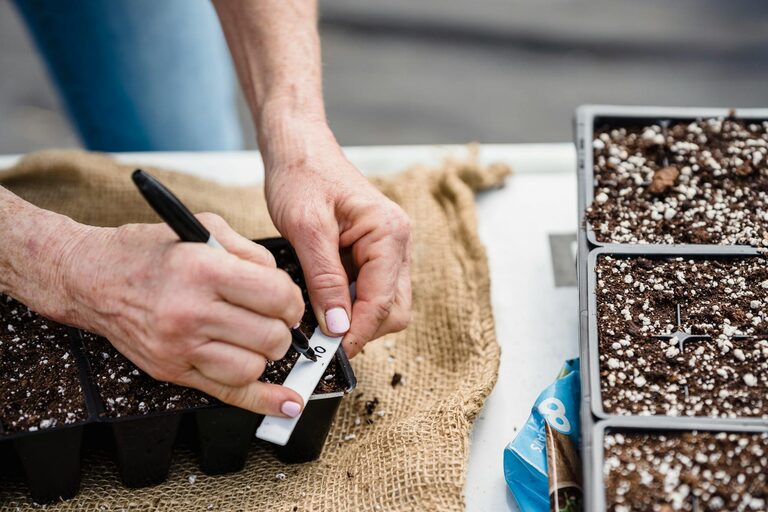
Starting a small garden in your backyard is a rewarding way to connect with nature, grow fresh produce, and add beauty to your outdoor space. Whether you have a tiny patch of land or a modest yard, anyone can create a thriving garden with some basic knowledge and a bit of care. This guide will walk you through the essential steps to get your backyard garden started, offering clear advice and tips for beginners.
Why Start a Small Garden?
Gardening offers many benefits. It can improve your mood, provide fresh herbs and vegetables, and even attract birds and pollinators. Small gardens are manageable for beginners and can be customized to your interests, whether you prefer colorful flowers, tasty veggies, or fragrant herbs. Plus, gardening gives you a chance to spend more time outdoors and enjoy the changing seasons.
Step 1: Choose the Right Spot
Finding the best location for your garden is key to its success. Here’s what to consider:
– Sunlight: Most vegetables and flowers need at least 6 hours of direct sunlight daily. Observe your backyard throughout the day to find a sunny spot.
– Soil Quality: Good soil is the foundation of a healthy garden. Look for an area with fertile, well-draining soil. Avoid places where water pools after rain.
– Accessibility: Choose a spot that’s easy to reach for watering, weeding, and harvesting.
– Protection: If possible, find a spot sheltered from strong winds or heavy foot traffic.
If your yard has poor soil or limited sun, consider raised beds or container gardening as alternatives.
Step 2: Plan Your Garden Layout
Before planting, decide how much space you want to dedicate to your garden and what to grow. Here are some points to help plan:
– Size: Start small, especially if you’re new to gardening. Even a 4×4-foot garden bed can yield plenty of plants.
– Type of Plants: Choose plants that suit your climate, soil, and available sunlight. Beginners often start with easy-to-grow vegetables, herbs, or flowers.
– Spacing: Research how much space each plant needs. Crowding can cause problems like poor air circulation and stunted growth.
– Design: Group similar plants together, such as herbs in one section and vegetables in another. You can also mix flower beds to add color and attract pollinators.
Sketch your garden layout on paper to help visualize the space.
Step 3: Prepare the Soil
Healthy soil is essential for plant growth. Follow these steps to prepare your garden soil:
- **Clear the Area:** Remove grass, weeds, rocks, and debris.
- **Loosen the Soil:** Use a garden fork or shovel to break up compacted soil and improve drainage.
- **Add Compost:** Mix in organic compost or well-rotted manure to enrich the soil with nutrients.
- **Level the Ground:** Rake the soil to smooth the surface and remove clumps.
- **Test the Soil (Optional):** Testing kits can help check pH and nutrient levels, although many beginner gardeners start without this step.
Avoid walking on your planting area to prevent soil compaction.
Step 4: Choose Plants and Seeds
Select plants based on your garden’s conditions and your preferences. Some beginner-friendly options include:
– Vegetables: Tomatoes, lettuce, radishes, green beans, and carrots grow well in many climates.
– Herbs: Basil, mint, parsley, and chives are easy to maintain and useful in the kitchen.
– Flowers: Marigolds, sunflowers, and zinnias add color and help keep pests away.
Decide whether to start plants from seeds or seedlings. Seeds are inexpensive but can take longer to grow. Seedlings (young plants) provide a head start.
Step 5: Plant Your Garden
Follow these planting basics:
– Timing: Plant according to your region’s growing season. Seeds and seedlings usually have instructions on when to plant.
– Depth: Plant seeds at the recommended depth; too deep or too shallow can prevent germination.
– Spacing: Keep proper distance between plants to ensure enough room to grow.
– Watering: After planting, water gently to settle the soil. Avoid overwatering, which can cause root rot.
If you’re planting a variety of vegetables, consider companion planting—some plants grow better together than others.
Step 6: Care for Your Garden
Consistent care helps plants thrive. Here are daily and weekly tasks:
– Watering: Most plants need about one inch of water per week. Water early in the day to reduce evaporation.
– Weeding: Remove weeds regularly to prevent competition for nutrients and water.
– Mulching: Apply a layer of mulch (straw, bark, or leaves) around plants to conserve moisture and suppress weeds.
– Fertilizing: Feed plants with organic or balanced fertilizers as needed.
– Pest Control: Monitor for pests and use natural methods like handpicking or insecticidal soaps to manage problems.
Watch for signs of stress, such as yellowing leaves or wilting, and adjust care accordingly.
Step 7: Harvest and Enjoy
One of the best parts of gardening is harvesting your crops or enjoying your flowers. Harvest vegetables when they’re ripe but before they become overripe. Herbs can be picked regularly to encourage new growth. Cut flowers in the morning for the freshest bouquets.
Bonus Tips for Beginners
– Start Small: It’s better to manage a few plants well than to be overwhelmed by a large garden.
– Keep a Garden Journal: Track planting dates, watering schedules, and observations. This helps improve your skills over time.
– Learn and Adapt: Gardening involves trial and error. Don’t be discouraged by mistakes.
– Join a Community: Local gardening groups or online forums can offer advice and support.
Conclusion
Starting a small garden in your backyard is a fulfilling and manageable project for beginners. By selecting the right spot, preparing your soil, choosing suitable plants, and giving them proper care, you can create a lively garden space that brings joy and fresh produce. Remember, gardening is a journey—enjoy each step and watch your green oasis grow!
Happy gardening!